I’m a Ph.D. student at Singapore Management University, working on human-computer interaction with Prof. Li Jiannan as part of the SMU-HCI community. I completed my Master of Computing at National University of Singapore working with Prof. Zhao Shengdong and Prof. Tony Tang. BSc (Hons) in Computing Science from University of Glasgow under Prof. Jeannie Lee’s supervision.
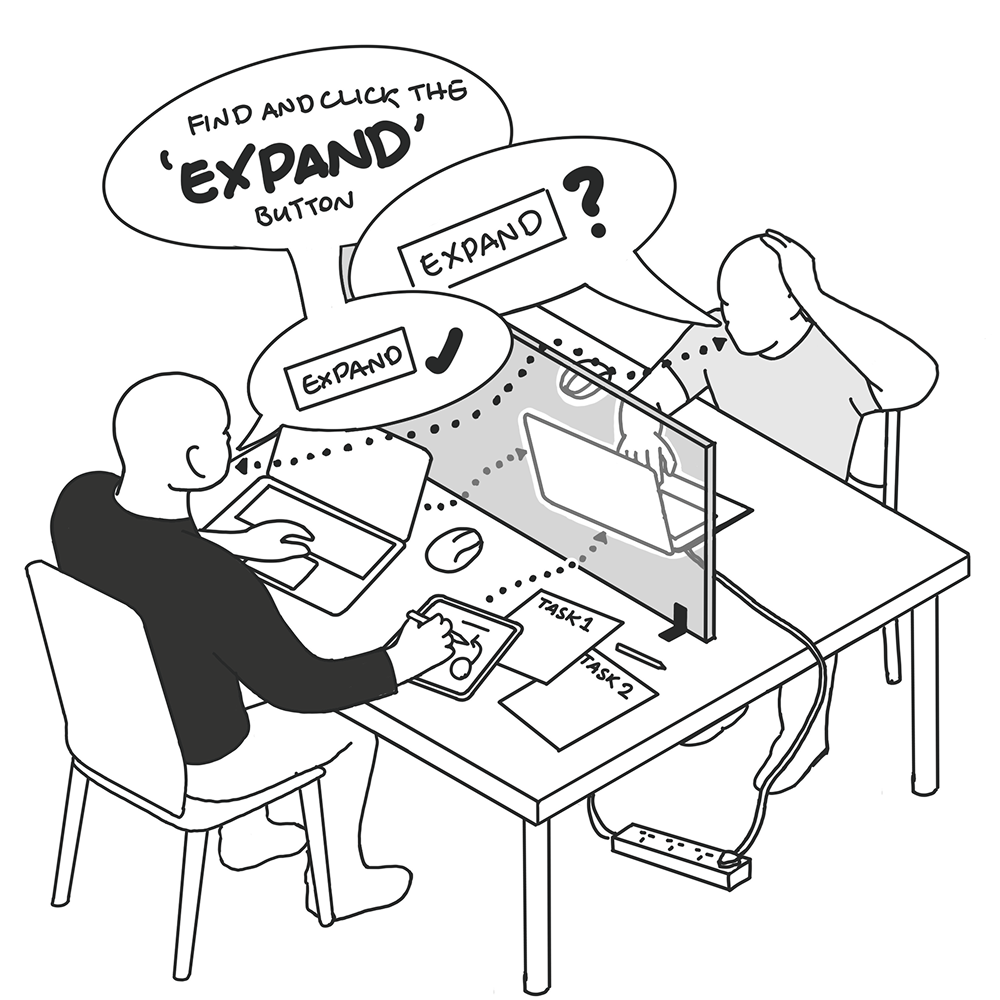
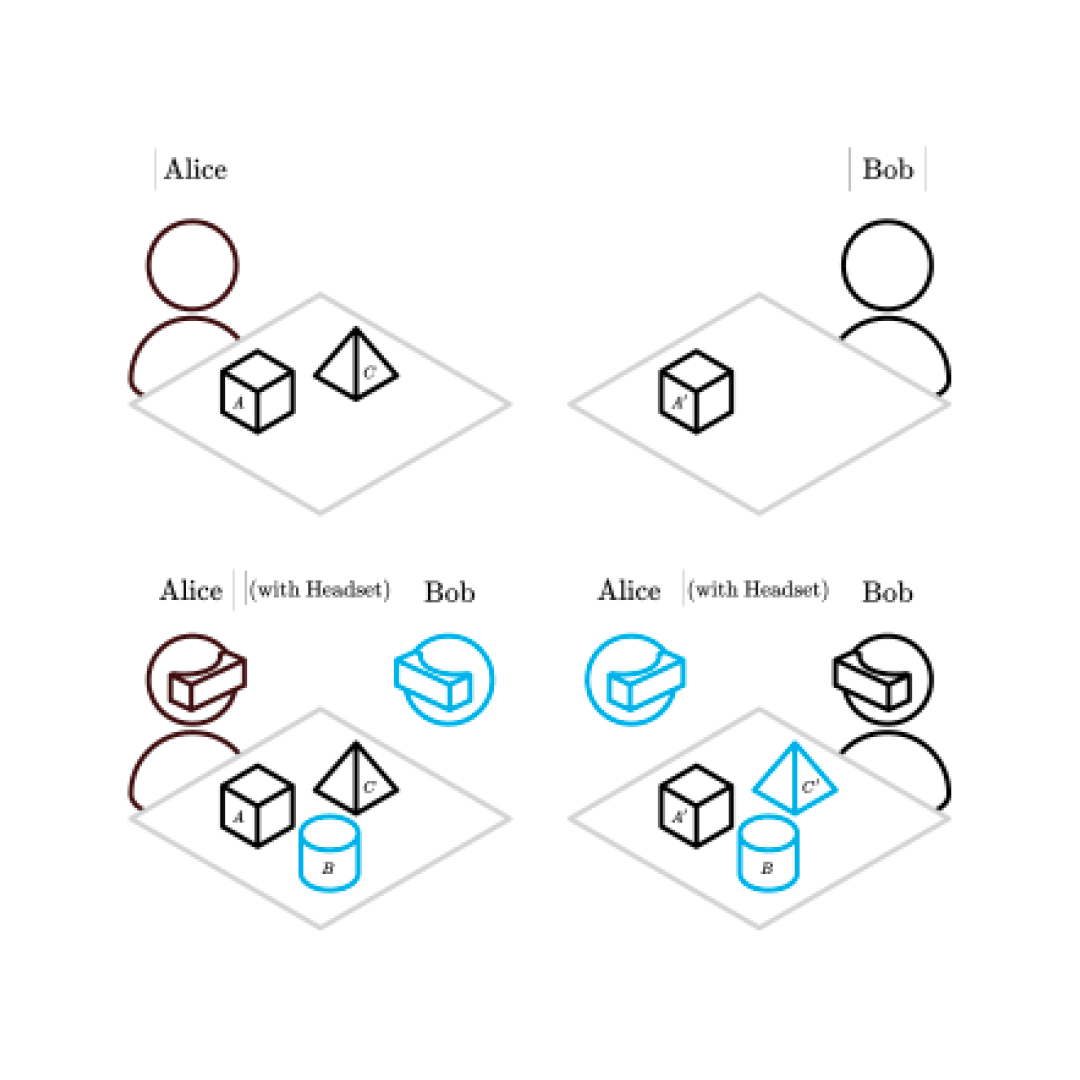
My research sits at the intersection of human–computer interaction, instructional design, and AI systems — broadly concerned with how people learn software and how AI can support that learning without undermining the learner’s own agency. I build systems, run studies, and develop frameworks around when precise guidance helps versus when it substitutes for the learner, including ideas like the precision–agency trade-off and digital territoriality in shared workspaces.
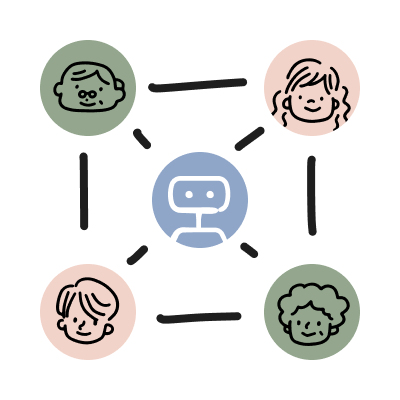
Looking ahead, I am extending this focus into collaborative and agentic settings: when AI agents act on behalf of people in shared workspaces, joint decision-making, and coordinated tasks. I am interested in whose preferences an agent serves, what it surfaces or obscures, and how accountability, trust, and design can help humans remain meaningfully in control as agents take on more of the work.
in progress
-
Working on when optional help becomes default in learning tools — designs that keep struggle, reflection, and human teaching moves legible.
S2, P3, S1 -
Exploring annotation and explanation as places where human effort should stay visible as models get more capable.
P3, S2 -
Extending human agency into collaborative and agentic work — personal agents in shared workspaces and joint decisions, and how accountability and trust are distributed across human–agent teams.
S3, P1, P2 -
Studying what agents surface, obscure, and optimize for when they mediate between people — and design principles that keep humans meaningfully in control.
P1, P2